
 Edit Post
 Admin Page
Spotting wild animals in their natural habitats can be an exciting and rewarding experience. Whether you’re hiking in the woods, visiting a national park, or exploring your local nature reserve, there are plenty of opportunities to observe wildlife. But seeing wild animals often requires patience, attention to detail, and an understanding of their behaviors. Here are some tips to help you spot wild animals and make the most of your time outdoors.
1. Be Quiet and Move Slowly
Wild animals are naturally cautious, so sudden movements or loud noises can scare them away. Move slowly and quietly as you explore nature, taking care to avoid rustling leaves or snapping twigs. The quieter you are, the more likely you are to see animals before they notice you.
2. Blend in with Your Surroundings
Wearing neutral, earth-toned clothing can help you blend into your surroundings and reduce the chances of startling wildlife. Bright colors can alert animals to your presence, making them more likely to hide. Try to wear greens, browns, and grays that mimic the natural landscape.
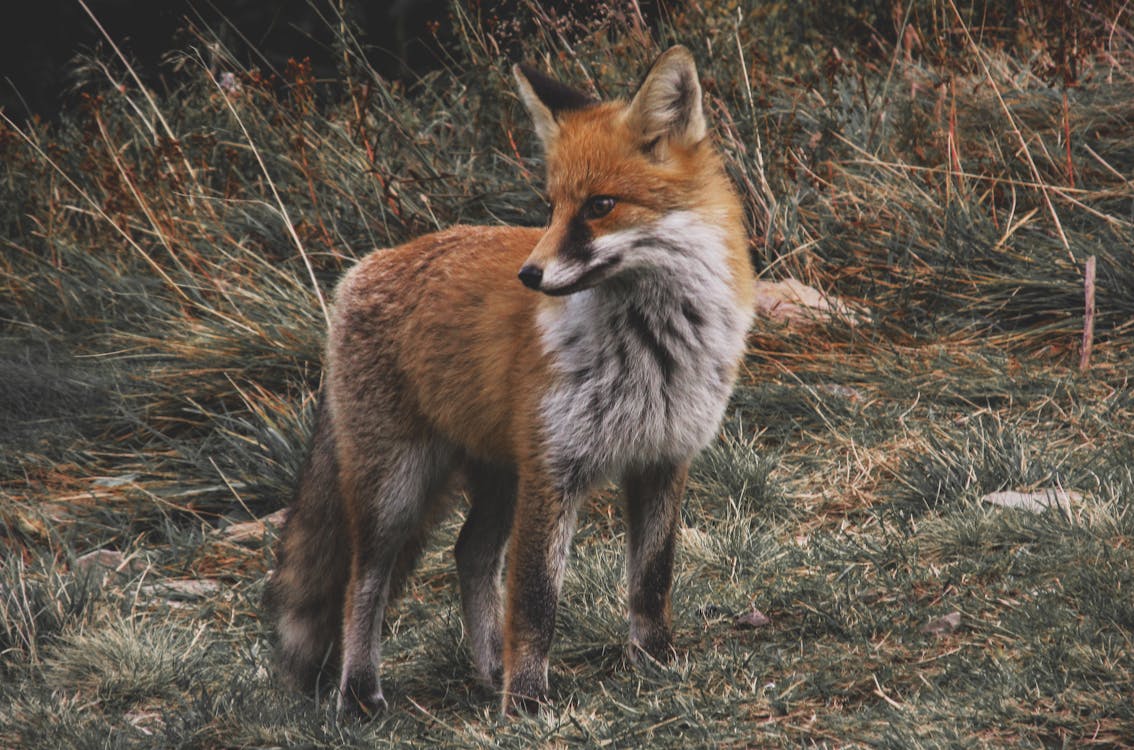
3. Look for Signs of Wildlife
Before spotting the animals themselves, look for signs of their presence. Tracks in the mud, droppings, claw marks on trees, or disturbed vegetation can indicate that animals have been nearby. By learning to recognize these signs, you can increase your chances of seeing the animals in action.
4. Be Patient and Observe Quietly
Wildlife spotting requires patience. Find a good spot where animals are likely to visit, such as near water sources or clearings, and wait quietly. Sometimes it can take a while for animals to show themselves, but by staying still and observing your surroundings, you may be rewarded with a close encounter.
Wildlife spotting requires patience.
5. Use Binoculars or a Camera with Zoom
Sometimes animals are too far away to spot with the naked eye, especially in large, open areas. Using binoculars or a camera with a good zoom lens can help you see animals from a distance without disturbing them. This allows you to observe their natural behaviors up close while staying at a respectful distance.

6. Visit During Dawn or Dusk
Many animals are most active during the early morning or late afternoon. Visiting nature spots at dawn or dusk, when wildlife is more likely to be out searching for food, can significantly increase your chances of seeing animals. Plus, the soft light during these times can make your wildlife watching experience even more magical.
7. Learn About Local Wildlife
Before heading out, do a bit of research on the types of animals you’re likely to encounter in the area. Understanding their habits, habitats, and daily routines can help you predict where and when they might appear. For example, knowing that deer prefer forest edges or that beavers are often near ponds can help you narrow down your search.
8. Be Respectful of Nature
Remember to respect the animals and their environment. Avoid getting too close, feeding them, or disturbing their natural behaviors. Observing from a distance ensures that you don’t stress the animals and allows you to enjoy their presence without impacting their habitat.

9. Use Your Senses
Your eyes aren’t the only tools for spotting wildlife—use your other senses too. Listen carefully for rustling in the bushes, bird calls, or the splash of water that might indicate an animal is nearby. Sometimes animals can be easier to hear than see, and by tuning in to the sounds of nature, you might discover where they’re hiding.
10. Stay Safe
While wildlife watching is a peaceful activity, it’s essential to stay safe. Always keep a respectful distance from animals, especially larger ones like deer or predators. Never approach or try to touch wild animals, and if you’re in an area known for large predators, be sure to follow local safety guidelines.
Final Thoughts
Wildlife watching is a fantastic way to connect with nature, but it requires patience, mindfulness, and a deep respect for the animals and their habitats. By following these tips, you can increase your chances of spotting wild animals and enjoy a more enriching outdoor experience. So the next time you head into nature, slow down, observe quietly, and you might just witness something extraordinary.